
Los Angeles Nannies

Blog

What is tiktok

What is TIKTOK?

What is tiktok
As a Nanny Agency made up of millennials, we like to think of ourselves experts on two things: kids and social media. Growing up we beta tested MySpace, Facebook, Instagram and SnapChat and like to think of ourselves as both social media savvy and technologically capable of staying safe on the internet. However, one thing still eludes us: TikTok. It seems TikTok is a seemingly harmless platform made for kids and teens to share and watch quick videos of dances and learn how to do pranks on their parents. But like all things on the internet, it can be exploited by people with ulterior motives. So what is TikTok? We don’t know. But we can tell you what we do know about the company, it’s technology, and how you can ensure that your kids stay safe while using it.

The Basics

TikTok is a free social networking app designed to allow users to create and share original videos. The social aspect surrounds the ability to follow other accounts and like, comment and share videos. The capacity for videos and accounts to go viral is large on TikTok, and many new household names have appeared from popular accounts on the app. TikTok is a fun way for kids to get creative, learn the basics of cinematography, get exercise from learning viral dances, and occasionally learn unique life hacks, science experiments or history facts. Like all social media, TikTok is not inherently good nor evil, but it’s the way in which it’s used that can become dangerous or beneficial for kids.

“Are your kids high energy? Does the candidate mention they love to work out, swim or go on hikes in their free time? These are hints that you could be a great fit for each other. We have a long list of extra questions available in our on-boarding packet for new families, just ask to see more!”

Safety

In 2019 TikTok settled for millions after federal regulators charged it with violating the children’s privacy law. TikTok does not have an age limit in order to use the app. When signing up for an account, TIkTok asks that users input their birthdays. Kids who are truthful and sign up as 13 and under, receive curated, clean videos and aren’t allowed to post, comment or search. This is obviously not any fun, however, and kids can easily be remedy this by inputting a false birthday. Accounts can be made private, but that only limits who can watch your kids, and not what your kids can watch. TikTok does have parental controls where adults can manage screen time, block inappropriate content and disable direct messaging. However, kids are smart and know they can simply undo whatever their caretakers set up for them or simply delete and re-download the app. So what can parents and caregivers do to keep their kids safe on TikTok?

If you can’t beat them join them

The easiest way to make sure your kids are staying safe on TikTok is by joining them in the fun. If you set strict boundaries condemning their online use, that will only drive them to sneak around you, which in the end could get them into more harm than good. Instead, monitor your kids on TikTok by getting involved. Showing that you are interested in their interests, rather than shaming them or punishing them, not only fosters their confidence and creates a healthy relationship with social media, but also allows you both to create a new opportunity for a shared experience. As they say, keep your friends close and your enemies closer. The closer you can be to your child’s TikTok usage, the safer they will be and the more informed you are. Not only will you appear way cooler than other caregivers, but the trust you form by accepting their interests rather than trying to control them, will set up a life-long foundation of dependability.

TikTok Challenges

The average TikTok feed is full of viral challenges that each user has the opportunity to get creative with. Challenges can be dances, songs, or activities that encourage users to copy in their own unique way. It’s a really fun way for kids to exercise their creativity. Many schools have cut funding for music, art and dance, and TikTok is a platform that can immerse kids in their interests by providing project-like opportunities for them to express themselves that they wouldn’t get in school. The downside to this is that the praise or rejection they receive on their self expression is very tangible in terms of likes, views and comments. This social transparency is another reason why it’s a good idea to have an open dialogue with your kids so you can talk about this praise/rejection ratio in a healthy way that allows them to learn both resilience and confidence. 
 
Engaging in a TikTok challenge with your child is an awesome opportunity to get creative together. Get the blood flowing by learning a dance. Get creative by trying a science challenge. Offer to hold the camera while they do their thing. Use it as an opportunity to let them direct you and learn leadership skills. Show them that what they are doing matters. By encouraging them in their creative pursuits, you are setting them up for a life time of success by saying “I see you and value you”. You may think that something as silly as a social media app wouldn’t have that big of an impact on your child’s personal development, but to a child, these creative pursuits are their way of feeling seen in the world and learning their place in it. Whatever the challenge is that sparks your kids creativity, do it together and enjoy the opportunity to strengthen your bond.
 

So what is TikTok?

We still couldn’t tell you. But what we can tell you is that being present in social media is the new way of the world, and it’s important for your kids to feel like they can be part of the pack, in their own unique way. Protect your kids by being an active part of their life. Support them, encourage them, and be there for them when they need you. If you have any questions about your kids and TikTok or social media in general (MySpace, anyone?) do not hesitate to reach out to us. 

Share this post

What is TikTok Read More »

Homeschool and tutoring kids

Homeschooling / How to Homeschool Nanny Kids

Homeschool and tutoring kids

Many career nannies know that the time between drop off and pick up at school is sacred. The school hours are where nannies can do laundry, schedule appointments, sanitize toys, and gear up for an afternoon of homework help. We’ve seen how the recent change in the childcare industry has affected nannies with parents working from home, but homeschooling has had just as significant an impact. How can nannies navigating in this new zoom school territory succeed?

Here are some tips:

Brush up on your educator skills

Nannying while kids are homeschooling means that you will inevitably become teacher yourself. Remain patient, ask leading questions, and always help them come to their conclusions and assignments on their own. Doing tasks for them is not going to do anyone any favors. If they don’t respond to a certain explanation, try and show them another way that they will understand. The beauty of being a nanny and a teacher is that you know the kids and their interests much better than a teacher would be able to. Spark their creativity by using dinosaurs as metaphors for counting if they’re into paleontology right now. Let them practice letters by writing their favorite words. If you don’t know how to answer a certain question, there is a wonderful new invention called Google. Of course, be sly about when you look things up, kids learn by example and we can’t have them copping out via the convenience of search engines.

“We are in uncharted territory, and all of these big changes can be really difficult for children to digest. When it gets hard, remember that your focus is on being a caregiver. The child’s grades are not a reflection of you or your nannying abilities, so remain compassionate and patient, as confidence and care are the main foundations for a child’s academic success ”

Create a classroom environment

A similar issue with nannies working around work from home parents is spacial boundaries. Kids are used to having their entire homes be just that – their home. But now their sacred-kid-space has been turned into office, home and school all in one and this can become stressful and confusing for developing minds. Designate a specific classroom area where kids will do their learning. Kids need structure and boundaries in order to thrive, and knowing that the dining room or a specific section of the living room is now their “school section” of the home will help them focus their energy to that specific task. Spruce up the area maybe with posters or familiar classroom objects to help them feel more at ease. Take breaks and eat snacks away from the classroom area to better help them adjust and concentrate while they are working.

Remain compassionate

We are in uncharted territory, and all of these big changes can be really difficult for children to digest. When it gets hard, remember that your focus is on being a caregiver. The child’s grades are not a reflection of you or your nannying abilities, so remain compassionate and patient, as confidence and care are the main foundations for a child’s academic success. It is also imperative that you have patience and compassion for yourself. You are a nanny and not necessarily an educator, so it may take some time for you to get into the swing of things. Remember your first day as a nanny, and how far you’ve come since then. Your educator skills will grow exponentially as well, which is a great thing to have on your nanny resume for future opportunities.
 
Nannying has always been fraught with rewarding challenges. If you are a nanny currently providing care to homeschooling children, we’d love to hear your stories of success and struggle alike. As always, reach out to us with any questions or concerns.
eas and tips on how to make every day equally fun and educational. There are a ton of awesome nanny blogs for creative solutions, as well as nannying groups you can join on social media.

Share this post

How to Homeschool Nanny Kids Read More »

Nanny Interview Tips

5 Nanny Interview Questions that should not be skipped

Nanny Interview Tips

Searching for the right nanny for your family can be a daunting task, especially if it’s your first time finding someone to entrust your child’s safety to. How do I find the right nanny? How do I know if a nanny is the right fit? What questions should I ask a nanny in the interview? If you’re a first time nanny-hunter (or even a nanny looking for a job and a way to brush up on your interview skills), these childcare interview questions can help you find the perfect fit for your family (or your next job). If you have additional questions, don’t hesitate to reach out to us! If you sign up for our newsletter, you can get weekly tips like these directly to your inbox.

Tell me a little bit about yourself.

This is a great opening interview question. It allows the candidate to focus on something they know a lot about (themselves) and ease them into the slightly intimidating process of interviewing. It also gives you a great jumping off point for future questions, as well as a sense of their personality. Are your kids high energy? Does the candidate mention they love to work out, swim or go on hikes in their free time? These are hints that you could be a great fit for each other. We have a long list of extra questions available in our on-boarding packet for new families, just ask to see more!

If you are a nanny and get asked this question, try not to talk too much about your qualifications at this point, the family wants to get a sense for who you are when you’re not watching their kids or working.

Why did you choose to become a nanny?

Some people fall into childcare, others seek it out. There is a big difference in the kind of care you receive from someone who genuinely loves making a difference in a child’s life compared to someone who is looking for what they deem to be an easy paycheck and fridge access. This interview question narrows down your nanny candidates.

Nannies, when asked this question in your interview, be honest! Describe what you love about working with kids and what you find rewarding about the job. When the parents see the glow in your face when you talk about watching a child grow or the opportunity to play and be creative, you’re bound to score major points with your prospective employers.

“Are your kids high energy? Does the candidate mention they love to work out, swim or go on hikes in their free time? These are hints that you could be a great fit for each other. We have a long list of extra questions available in our on-boarding packet for new families, just ask to see more!”

What do you think is the most important aspect of a nanny job?

This is a big one to ask in the interview with your nanny applicants that will weed out the worthy from the paycheck seekers. An obvious truth is keeping the child safe from danger, but the more deeply a candidate goes into their commitment to the emotional / social well-being and development of the child, the more they will allow your child to thrive with them. Their answer to this question will give you insight into the candidate’s priorities. Does the candidate place emphasis on rule-following or freedom to explore? Does the nanny believe in forming a firm bond with the child and promoting development and trust? This interview question and the answers given will help you get a better sense of who this nanny will be in your home.

If you are asked this question in your nanny interview, start by saying something like “my extensive experience as a childcare provider has shown me that of the many essential aspects of nannying, the ones I place the most importance in are….” You can also give examples of past childcare experiences and how you’ve aided a child’s growth to give the family you’re interviewing with a better sense of your priorities.

What are the qualities children see and like in you?

This nanny interview question will give you a greater insight into the personality of the candidate. Do they like to get down and play pretend, or are they more reserved? Are they silly and energetic or more nurturing and compassionate? Each child has different needs, and as a parent you know more than anyone what your child needs to thrive, and this question will help you find the perfect nanny for your child. If you aren’t sure what exactly you’re looking for from your next nanny, reach out to us and we can help you articulate your needs with a no-obligation consult.

Nannies, when asked this question, refer to your strengths like your sensitivity to the demands of children or your patience and understanding. However, be truthful! If you say in your interview that kids love you because you like to craft with them, but in reality you have no idea which end of the glue stick to use (spoiler alert – it’s the sticky part), you’d be better off leading with how you played soccer in college and kids love to play sports with you.

What do you consider to be the major challenges of a nannying job?

This is another very telling question to ask in your nanny interview. If the candidate responds saying they never have challenges with children, they either aren’t working hard enough or have never spent significant time with a child. We all know it takes a village! This question is another way of understanding the candidate’s strengths and weaknesses. If they say they have a hard time communicating or discipline is hard for them, you can know what to expect later on down the line. Care also has some great questions to ask.

If you are asked this question in your interview for a nanny position, mention an example of a past situation that challenged you, and how you overcame it. One of the most challenging parts of being a nanny is how you constantly need to adapt to different situations and different children with their many ever-changing needs. If you can show potential employers how you handle adversity and overcome it, you’re scoring major points.

We hope these nanny interview questions are of some assistance to you!

Families – have additional questions or comments about interviewing a nanny? Let us know! We would be more than happy to assist you in your interview process.

Nannies – have you had to answer some totally random interview questions? Leave a comment below!

Share this post

Nanny Interview Questions Read More »

student, typing, keyboard, los-angeles-nannies-UPDATE-YOUR-EDUCATOR-NANNY-RESUME-teaching-child-classroom-skills-caring-professional-educated-mannies-la

UPDATE YOUR EDUCATOR NANNY RESUME TO INCLUDE YOUR TEACHING SKILLS

Updating nanny resume

As businesses begin to open back up and work from home families open their doors to their nannies, many caregivers are gathering their materials, arming themselves with their certifications, letters of recommendation, and most importantly, their resumes. In this new, extremely competitive job market, it’s imperative that nannies highlight their unique skill set in order to market themselves. After months of zoom classes and the possibility of a continuing online school year, nannies need to highlight their ability to educate as well as care, in order to stand out in a sea of applicants. The best way for nannies to rise above the rest is to highlight their educator experience in their resume.

Comparative Analysis 1

This doesn’t mean that nannies need to throw their current CV’s into the wind, but rather they need to tweak what’s already there to showcase their ability to be both nanny and tutor. Most nanny resumes are formatted as follows:
 
The Example Family, Culver City, 2010-2020
Ages of children upon hire: 3 and 7
  1. Transported children to and from school
  2. Assisted in scheduling and provided help with homework when needed
  3. Provided meals
The new, educator targeted resume edition should look like this:
 
The Example Family, Culver City, 2010-2020
Ages of children upon hire: 3 and 7
  1. Assisted in tutoring in math, science and reading
  2. Used education level appropriate tutoring techniques to help child reach targeted grades in all subjects
  3. Provided emotional and educational support, lifting child’s confidence and helping them raise their GPA by one whole letter grade
  4. Assisted with school projects that resulted in 33% average improvement in the child’s grades
  5. During the summer months, created and instructed child in fun and engaging curriculum to ready them for the school year

Comparative Analysis 2

In this example, the nanny is simply placing the attention on their educational background, rather than the overall range of care they provided.  

The key to crafting your nanny resume is in polishing what is already there. You absolutely should not fabricate any part of your resume, but you should be able to apply emphasis where needed. The same can go for coaching or art instruction:
 
Instead of:
  1. Played backyard sports
  2. Monitored arts and crafts
Try:
  1. Provided pointers and engaged the child in fun drills and exercises to improve overall skill and ability in soccer. After weeks of targeted practice, the child went from bench playing to starting in games.
  2. Based on the child’s interest in the ocean, researched and created exciting nautical crafting projects for the child to create. 

“In this new, extremely competitive job market, it’s imperative that nannies highlight their unique skill set in order to market themselves. After months of zoom classes and the possibility of a continuing online school year, nannies need to highlight their ability to educate as well as care, in order to stand out in a sea of applicants. ”

To bolster your nanny resume to highlight your educator skills, it would also behoove you to mention your own academic experience. Were you part of a peer mentoring group in high school? Did you graduate Cum Laude? Have you taught a sport or art class? Get creative! Think back on your past experiences to what parents would most like to know about how your educational experience can assist in their child’s development. If you feel like you may be lacking in this area, or you simply want to give your resume the extra push forward, sign up for an online educator class, and add it to your resume.

In Conclusion

The new nanny job market is going to be a learning curve for many nannies to navigate. Highlighting unique educational experience will be what helps many nannies stay on top of the applicant pool, and make sure that they are the first to be hired. If you are a nanny struggling with their resume, reach out to us!

Share this post

Update your Educator Nanny Resume Read More »

Returning to work with a nanny

Creating a Return to Work Plan for Your Nanny

Returning to work with a nanny
As zoom classes come to an end and the open abyss of a summer vacation with an empty calendar looms on the horizon, parents who are still working from home are beginning to wonder how they are going to manage it all. Shelter in place orders are being lifted, many businesses are beginning to plan to return to work, and many families are getting ready to bring their furloughed nannies back into their homes. How does a family bring a nanny back while the pandemic is still reeling? Here are some tips on how to prepare a return to work plan for your nanny:

Know the Risks

While parents may be at their wits end trying to be an entertainer, educator, parent, and work their own full time job while also managing the psychological tole of living through a pandemic, the decision to bring a nanny back must be an educated one. Now that we are a few months in, we know a little more about COVID-19 than we did originally. We know the virus is spread by close contact, specifically through the respiratory route like any other cold or flu, the main reason why we have all been social distancing for the past two months. An infected person can carry the virus for up to 14 days before they even begin to show symptoms, and can be picked up through shared air vents, contact on the street, or on high traffic surfaces. If you are a parent reading this, you may be reaching for that “How To Do it All” self help book, but if you remain vigilant, and take strong, proactive actions, you can absolutely make your nanny’s return to work safe and beneficial for all parties.

Be Honest

The first step towards a safe, healthy and happy new work agreement is honesty. It is imperative that you and your nanny are both are honest about your social activities within the last 14 days of coming back to work. If you are explicit about who you have been seeing and where you have been going, it will inspire your nanny to do the same. It is important that you both understand the risks going in and can be prepared. Set a date to work together again, and encourage that both your family and the nanny stay as quarantined as possible to reduce risk of spreading the infection. Make sure you continue to social distance even after your nanny has returned, just because you regain some sense of normalcy after a few weeks of working together does not mean you should relax in your protocol.

“A nanny’s eligibility for benefits depends greatly on the reason for unemployment, and the state will be taking a careful look at the details. You can expect to be contacted by an Unemployment Officer to tell your side of the story, as will your former employer.”

Consider Live-In

If you have a guest house or guest room, it is a great idea to extend the invitation for your nanny to live-in temporarily. This way you will both have a better understanding of where each has been and the risk of transmission will be far less. Living-in is a great way to promote bonding with your nanny and strengthen the relationship they have with your children. They can work longer hours with less of a commute and become more of an integrated role to help you and your family. It’s also a great opportunity for your children to have some much needed extra social interaction.
 

Be Realistic

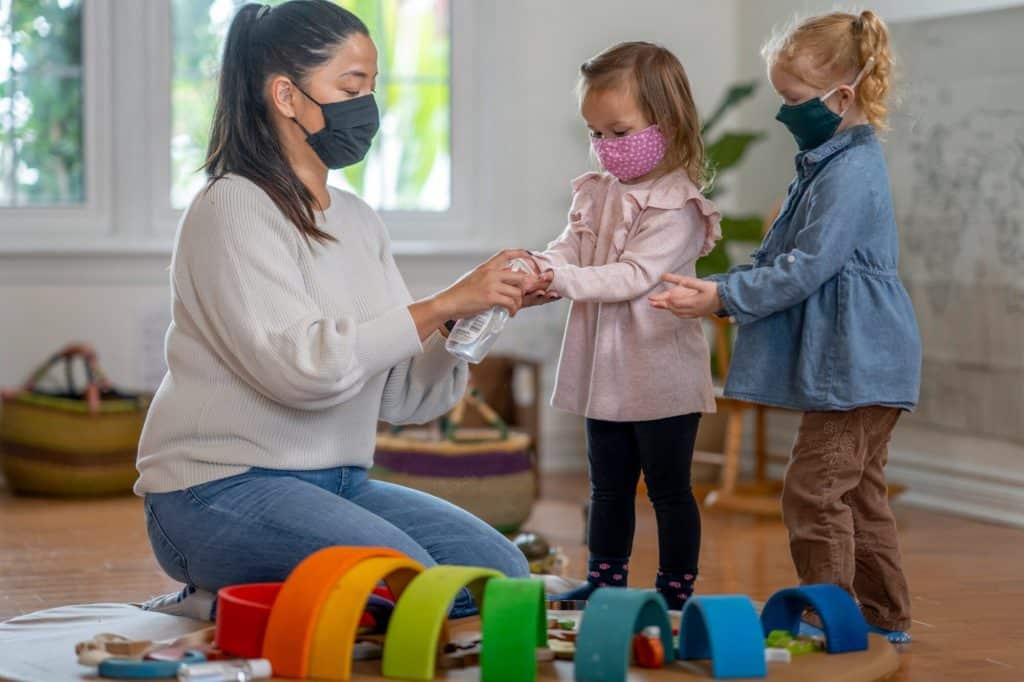
Just because you and your nanny have decided to work together again does not mean that all has gone back to normal. Make sure that you are still using strict precautions, especially if the nanny is not living with you. Your family and your nanny should still be washing their hands for at least 30 seconds, avoiding sharing food and drinks, continuing to practice social distancing outside of your household, refraining from touching eyes, nose and face, and regularly cleaning and disinfecting high touch areas. As long as your family and your nanny are taking proactive actions against the spread of the virus, there should be no reason that your nanny can’t come back to work safely.

For the Future

 The CDC has recommended social distancing for a reason, but nannies are essential workers and there are ways in which your nanny can come to work safely. Continue to practice social distancing and wear your mask when you leave the house, wash hands regularly and disinfect high traffic areas. Remember to treat your nanny with respect, as they are human beings who both want to work, and want to be safe. Looking to hire a nanny?  Reach out to us  to get your search started!

Share this post

Creating a Return to Work Plan for Your Nanny Read More »

Nanny applying for unemployment

Nannies - How to File For Unemployment

Nanny applying for unemployment

Whenever we interview our nannies and ask them what they are looking for in their next employer, the majority express a desire to “feel like a family.” Unfortunately, even the most close-knit families with perfectly matched nannies eventually have to go their own ways. Children go off to school while nannies need more full time, or either party end up moving house for new opportunities. Even the most experienced, caring and impressive nannies can have a difficult time finding new employment opportunities with an ideal family. Luckily, if you’re a nanny struggling to find a new job, there are unemployment options open to you. Here’s how to file for unemployment as a nanny:

Eligibility

First, you must make sure that you are eligible for federal or state unemployment. Nannies are eligible for unemployment when they are paid legally, or on the books with taxes withheld and paid. They are also eligible when they are not dismissed for a serious infraction, which could even include consistent tardiness. Nannies are not eligible to receive unemployment if they simply quit their job.

The Application Process

Start your process as soon as possible. Applying within the first week of termination ensures that you will not lose any benefits. Each state has different qualifications and requirements to receive unemployment. More details for state to state processes and how to begin them can be found here. 

“A nanny’s eligibility for benefits depends greatly on the reason for unemployment, and the state will be taking a careful look at the details. You can expect to be contacted by an Unemployment Officer to tell your side of the story, as will your former employer.”

Gather Information

Nationwide, you will be asked about your employment information. You will need the dates of your employment, your salary, and any documentation that describes your unemployment situation, like the nature of your termination. In California, employers must give a written letter explaining an employee’s termination. The reason for nannies will most likely be along the lines of the child outgrew the needs for a full time caregiver and will be attending school.

Give Details

A nanny’s eligibility for benefits depends greatly on the reason for unemployment, and the state will be taking a careful look at the details. You can expect to be contacted by an Unemployment Officer to tell your side of the story, as will your former employer. Nannies who were fired for serious infractions will have a much harder time receiving benefits than one who was let go because the family could no longer afford help.

If You’re Approved

If you’re approved, congrats! However, employers still have the right to appeal a decision, as one unemployment claim could potentially increase the likelihood of future claims. Should this happen, you will be notified of a hearing, which is done rarely in person and usually takes place over the phone.

If You’re Denied

If you are a nanny denied unemployment, you have the same rights to appeal as an employer does. Ask your representative for a second look, and a hearing, also via phone, will likely be called.

Still Look For Work

Unemployment is not a permanent paycheck. The government expects that you should be using your time to apply to jobs weekly. The government can offer you assistance via Unemployment Officers who can assist you in applying to new childcare jobs. It will help your case greatly in avoiding an audit to keep a written record of resumes sent, potential employers spoken to, jobs applied for and interviews conducted. Check out our current listings here. Care.com and SitterCity are also great, free resources for nannies to find work.

What Happens to Your Former Employer When You File?

For nannies who had the ideal relationship with their former employers, they may experience some hesitation in applying for unemployment, for fear of burdening their former family with fees or extra work. Upon filing for unemployment, families will receive a notice of an open claim, but they are under no obligation to act in any way. However, they do have the right to confirm or deny the details you laid out stating the facts of your termination with them and thereby refute your claim for unemployment, so be sure that you are truthful in your application.

For the Future

Nannies should always keep records of your job, especially because it is unlikely to have Human Resources in a domestic setting. It’s a great idea to log times worked, details of any negative incidents, copies of pay stubs and any positive reviews which can help you should you ever have to file for unemployment again.

If you are a nanny now seeking unemployment benefits and need any assistance in the process, please do not hesitate to reach out to us with any questions. Please also check out Homework Solutions, who has fantastic resources available to you


Have you been through this situation with something to share? Let us know below.

Share this post

Nannies – How to File For Unemployment Read More »

Nanny while working from home

How to Nanny With Stay at Home Parents

Nanny while working from home

Being a nanny with a parent working from home can be a challenge for many reasons. For some children, it can be difficult to adjust to a new nanny or caregiver. It takes time for the bonds to form and for trust to blossom. This can be especially difficult when one or both parents are also working from home. Some children may defer to a parent if they’re just in the other room, to the horror of many caregivers who know that parent happens to be on a conference call. As a new or long-term nanny who finds themselves caregiving alongside a work from home parent, how can you set the boundaries needed for the child to thrive?

Communicate!

While the child is not present, have a conversation with the work from home parent. If the child frequently calls upon the parent during the day, ask the parent to verbally defer to you so that the child hears from their own mouth that you are the authority on all matters. Some parents may not mind being sought out during the day, but it is important that as the caregiver during your working hours, your authority is not undermined in the eyes of the child. Our Honest House Promise details what a positive, healthy working environment looks like for all. Ask the parent leading questions so you both can be on the same page and avoid any awkwardness in front of the child. Some questions to consider:

  • How do we handle mealtimes and bathroom breaks where you and the child are in the same space?
  • Do the children need to play in areas away from where you will be working? Does the noise level matter?
  • If you plan on interacting with the children during the day, how involved would you like me to be? Is there a task, such as laundry or meal prep, that could get done while you interact with them?
  • If the child needs comfort, at what point would you like to be notified or involved?

Leading questions can help set the foundations for a positive and productive working environment for all. If the idea of communication sets your stomach into knots, here are some effective tips on better communication.

Establish a routine

It is no secret that children thrive under a routine. The idea of having a parent working from home while a caregiver is present may be a novel idea to them, and they will try and push the boundaries to see how they relate in this new environment. Children will want to update their parents during the day, showing them what they made and telling them a funny joke, especially since they’re just in the other room! But designating times throughout the day, such as meal time or “hand off” time where children know that they will have an opportunity to see their parents, can assist nannies in quelling the child’s urge to barge in on the parent’s zoom call to tell them about the especially tasty grape they ate. Here are CDC tips on establishing routines for children.

Being a nanny with a parent working from home can be a challenge for many reasons. For some children, it can be difficult to adjust to a new nanny or caregiver. It takes time for the bonds to form and for trust to blossom.

Create designated areas in the home

Having a “kids section” and a “parents’ work section” can greatly assist in creating the types of spacial boundaries children understand and relate to. Discuss with the parents areas that are “off limits” for the kids and request that you both enforce that with equal measure, ensuring that the message hits home. Having specific play areas that are unique to the child will help make the bitter pill of not being allowed in a certain area easier to swallow.

Recognize that bonding may take longer

If a child has the choice to be comforted by someone they just met vs. the parent in the other room, they will of course choose the parent. If you are having difficulties forming a bond while a parent is working from home, ask the parent to help you form trust with the child by reassuring the child that you are there for them and you can be trusted. If the parent is verbally reaffirming their choice in you, the child will have an easier time opening up. Engage with the child as much as possible during this period, and if feasible, take them on outings where they can more easily recognize you as the caregiver.

Be ready for parents "popping in"

Having a parent that works from home who frequently checks in can make it difficult to establish authority and trust with the child, and can sometimes lead to meltdowns and disruption of activities. This is why it’s imperative that you create firm boundaries and communicate with the parent your needs as a nanny and stick to the schedule as much as possible. 

There will always be a learning curve when nannying while a parent is working from home. In any relationship, communication is key. Make sure that you and the parent have an opportunity to voice your needs and expectations so that a clear routine and schedule may be formed to allow the child to thrive and avoid any meltdowns or confusion. At the end of the day, as a nanny you are there to create a safe and loving environment for the child and it is important that both you and the parents remember that often. Look at these tips for developing a happy and healthy parent – nanny relationship.

If you have any questions or concerns or are having a difficult time performing your nanny duties while a parent is working from home, reach out to us and we will do our best to assist you.

Share this post

How to Nanny With Stay at Home Parents Read More »

Nannies during COVID

COVID-19 and Children

Nannies during COVID

The spread of misinformation can be just as contagious and equally as toxic as any pandemic. When it comes to protecting our children, who can we trust and how can we take preventative measures? Referring to the Center for Disease Control, who’s only bias is keeping the population healthy, is usually our best bet. Here is what the CDC has to say about COVID-19 and our children:

Will my child get sick?

In most cases, children and the elderly are most affected by disease, due to their sensitive immune systems. However, the CDC says “based on available evidence, children do not appear to be at higher risk for COVID-19 than adults.” While some children have fallen ill, the vast majority of cases have been found in adults, seemingly going against the grain of the usual fear that children would fall into the category of high risk people.

How can I take actions to protect my child?

Protecting your child from COVID-19 is no different from teaching your child regulatory health precautions.

  • Have them frequently wash their hands with soap and warm water for at least 30 seconds and use hand sanitizer frequently. Encourage them to avoid touching their eyes, nose, mouth, ears and face with unwashed hands.
  • Avoid people who are sick, especially if they are coughing or sneezing.
  • Clean and disinfect high traffic surfaces in your house such as doorknobs, tables, chairs, counters, handles, light switches, desks, toilets, and sinks. It would also behoove you to disinfect technology like phones, iPads and gaming systems.
  • Wash clothes and plush toys on the highest possible heat setting with the appropriate amount of detergent.

“”Reported symptoms in children include cold-like symptoms, such as fever, runny nose, and cough. Vomiting and diarrhea have also been reported. It’s not known yet whether some children may be at higher risk for severe illness, for example, children with underlying medical conditions and special healthcare needs.” says the CDC”

How will I know if my child is sick?

COVID-19 symptoms in children do not differ from adults, except in that they tend to be milder. “Reported symptoms in children include cold-like symptoms, such as fever, runny nose, and cough. Vomiting and diarrhea have also been reported. It’s not known yet whether some children may be at higher risk for severe illness, for example, children with underlying medical conditions and special healthcare needs.” says the CDC. As there have been few reported cases of the virus in children, it is difficult to say exactly how they will be affected, there is still much to be learned about the virus’s impact on children.

Should I have my child wear a face mask?

The CDC says no, only those who have the illness or symptoms of the illness should wear masks and it is not necessary for children to wear them preventatively.

Disease can be frightening, especially when there are so many more questions than there are answers. Remember that as long as you and your children are washing your hands and staying away from those that are ill, you are doing the best you can. We are not health care experts, but if you have any further questions or concerns, feel free to reach out to us.

Share this post

COVID-19 and Children Read More »


We recently helped a childcare whizz land a position with an amazing family in Sherman Oaks. He had actually never been a ‘Manny’ before, but had plenty of experience with children in other settings (camp, coaching, tutoring etc).

The thing that he was most nervous about was that he had never worked in somebody’s home before, playing hide and seek in his bosses closets was not something that came naturally to him. He also mentioned that he didn’t want to overstep his bounds and wasn’t sure what his job was when there were no children around to care for; what then? Mom had a change of plans and wants to see soccer practice, and dad decided an impromptu lunch visit to a museum was called for, or the entire family unit goes out to dinner instead.  That said, you might find yourself with some downtime at their house.  


To reduce the amount of time twiddling his thumbs while they’re out doing the family thing… I’m compiling 50 things a caregiver can do when kids are occupied (it may get repetitive but it’s a work in progress) – help appreciated!


  1. Walk the Dog
  2. Care for non-walkable pets (change water, clean food and water bowls)
  3. Kids laundry (if part of your job description)
  4. Childless Nanny
    Yes, we do all these things too!

    Wash up dishes (or load the dishwasher)

  5. Wipe counters (clean home is a happy home)
  6. Plan some upcoming activities  (or research them to keep in your back pocket)
  7. Sanitize toys (keep them pristine)
  8. Organize toys  (keep them looking tidy)
  9. Prep kids meals (be it lunch, snack or dinner – proactivity is key)
  10. Set up art projects (when you’re back in sole charge, have something ready to go)
  11. Research local activities and upcoming events
  12. Ask other staff if there’s anything you can help with (aka, cultivate those relationships!)
  13. Organize bookshelf (check pinterest for ideas on how to take this up a level)
  14. Organize Tupperware drawer/pantry (do you really need all those lids???)
  15. Organize toys (again, pinterest)
  16. Take out trash/recycling
  17. Clean out/organize kids clothes that don’t fit anymore (prep a kiddie fashion show)
  18. Change childrens bedding if required (if in the job description)
  19. Laundry
  20. Organize (and organize again)Childless Nanny
  21. LISTS! Put together a list of emergency contacts, a list of house repair contacts, etc.  
  22. Plan for the week, prepare crafts
  23. Update parents on how their child has been
  24. Throw out bad food in the fridge
  25. Restock any diapers. wipes, paper products
  26. Clean high chair (if there’s a highchair)
  27. Go gas up the car
  28. Clean and descale humidifier
  29. Sweep, vacuum
  30. Organize the pantry
  31. Tidy up the kids bedrooms and playroom
  32. Clean out the nanny-mobile
  33. Run quick errands for family (grocery, go grab take out etc)
  34. Alphabetize board games.
  35. Bake some cookiesChildless Nanny
  36. Clean and organized mommy diaper bag.
  37. Check expiration medicine.
  38. Make a grocery list
  39. Fold laundry
  40. Pick up the mail
  41. Build a surprise fort
  42. Organize closets
  43. Color coordinate shirts
  44. Read about your kids stage development.
  45. Check for vaccines they may need
  46. Delete some of the 10,000 pictures you’ve taken of the kids
  47. Read (work appropriate books)
  48. Hide in the pantry
  49. Go to the bathroom (precious free time!)
  50. Rest (I’m SURE it’s deserved)


If we’ve missed any, please drop us a line, and if you’re looking for a nanny that is happy to do the above AND care for children, please reach out to us!


The Childless Nanny Read More »


Regimented and Energetic Manny Sought for busy 90210 Family!

It’s all in the title! We are searching for a manny that can jump into this busy home to provide care and guidance for two pre-teenaged boys without missing a beat. This full time position is replacing their current manny, and leaving some big shoes to fill! The parents would like to contract someone who provides the same authoritative nature, organizational skills, and professional demeanor as their current guy.

About the position: in this role you’d be responsible for two boys ages 11 and 12. Duties would include but are not limited to school pickups and drop offs, transport to various extra curricular activities, helping with homework and sports, and ensuring the kids are staying on track overall. Communication will play a large part with this family, and providing progress reports on how the boys are faring in the different areas of their lives (school, sports, etc) is part of the gig. Someone approachable and relatable, with the ability to discipline will be great for this family as you’ll monitor screen time, ensure homework is completed, and keep the boys on top of their game.

This position comes with high expectations, but is extremely rewarding for someone willing to put in the work. The family does travel quite a bit, both locally and internationally throughout the year so please be passport ready and of course (or take off the time when they’re away, paid!) apply with a clean driving record. Salary starts at $85k with potential room for professional growth as the children get older and their needs change; you can find yourself moving into the House Manager role.

Fantastic, unique, and challenging opportunity with equally amazing perks! Potential to see the world while molding the minds of a couple of great kids!

Caregiver must be aged 21+
Caregiver must be Fluent in English
Caregiver must be able to drive and have own vehicle
Caregiver must be legally authorized to work in the United States
Caregiver must have outstanding references
Caregiver must hold TrustLine Registration
Caregiver must have a clean criminal record and motor vehicle record
Caregiver must hold a current CPR, First Aid/AED Certificate

Caregiver must have professional child care experience, either private or in a camp / coaching role.

*or complete upon hire, paid by Angeles Mannies.

Caregiver must be willing to format resume to the template provided.

Please apply with your formatted resume, any letters of recommendation, references, and certifications. All applicable nannies will be contacted. Thank you for your time and hope to hear from you soon!

Register here or if already registered, email jobs@angelesmannies.com

NOT OPEN | Regimented Manny | $85k + | Beverly Hills | Car | 2 Boys Read More »

Scroll to Top